


Beef Paya 2kg (Fresh)
¥1445
Zaman Halal Food offers premium fresh beef paya, sourced from recently slaughtered cows and expertly prepared. Perfect for traditional soups and stews, it’s delivered frozen to retain freshness and quality.

Free Delivery
Enter your postal code for Delivery Availability

100% Halal
100% Halal
Related Products
Showing 41–50 of 51 results
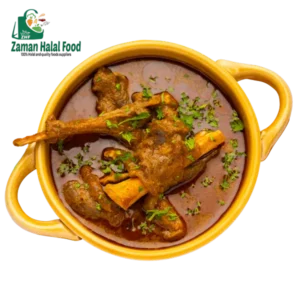
Beef Paya 2kg (Fresh)
Authentic fresh beef paya for traditional slow-cooked masterpieces — This 2kg pack of premium beef trotters delivers the rich, gelatinous texture and deep flavor that make paya one of the most beloved comfort foods in South Asian and Middle Eastern cuisine. Perfect for creating soul-warming soups and stews that have nourished families for generations.
What is Beef Paya?
Beef paya, also called beef trotters or cow feet, consists of the lower leg and hoof portions of cattle. While it may seem unusual to Western kitchens, paya is a treasured ingredient across Pakistan, India, Bangladesh, Iran, and throughout the Middle East. When slow-cooked for hours, the bones, cartilage, and connective tissue break down into a luxuriously thick, nutrient-rich broth that's both satisfying and restorative.
Key Features & Benefits
Premium Fresh Quality — Never frozen, ensuring optimal texture and authentic cooking results
Generous 2kg Family Pack — Perfect portion for large gatherings, weekend cooking, or multiple meal preparations
Naturally Collagen-Rich — Contains abundant gelatin that creates signature thick, silky gravy
Deeply Nourishing — Traditional healing food valued for joint health and immune support
Authentic Flavor Foundation — Delivers the genuine taste that defines real paya dishes
Excellent Value — Economical cut that produces restaurant-quality results at home
Nutritional & Wellness Benefits
Beef paya is considered a functional food in traditional medicine systems. The extended cooking releases collagen, gelatin, glucosamine, and chondroitin — compounds believed to support joint mobility, bone strength, and connective tissue health. The rich broth provides easily digestible protein, calcium, phosphorus, and trace minerals. Many cultures serve paya to people recovering from illness, new mothers, or anyone needing extra nourishment.
Traditional Dishes & Preparations
Iconic recipes featuring beef paya:
Pakistani Paya — Overnight slow-cooked curry with garam masala, ginger, and aromatic spices, traditionally enjoyed for breakfast
Nihari-Style Paya — Rich, spiced gravy garnished with fresh ginger, green chilies, cilantro, and lemon
Middle Eastern Pacha — Lamb or beef trotters in garlicky broth, a celebrated festive dish
Iranian Kaleh Pache — Traditional breakfast soup with herbs, flatbread, and pickled vegetables
Pressure Cooker Paya — Modern convenience method that reduces cooking time to 90 minutes while maintaining authenticity
Bone Broth Concentrate — Health-focused preparation emphasizing mineral-rich, collagen-dense liquid
Signature characteristic: Properly cooked paya develops a thick, jelly-like consistency when cooled, indicating successful collagen extraction.
How to Prepare Beef Paya
Traditional preparation method:
Thorough cleaning — Scrub trotters under running water, removing any debris; some cooks singe any remaining hair over flame
Initial blanching (optional) — Boil for 10 minutes, discard water, and rinse to remove impurities
Build aromatic base — Brown onions, whole spices, ginger-garlic paste in oil or ghee
Slow cook patiently — Add paya with water and simmer on low heat for 6-8 hours until meat falls from bones
Skim occasionally — Remove foam and excess fat that rises to the surface for clearer broth
Final seasoning — Adjust spices, add fresh ginger julienne, cilantro, and lemon juice before serving
Time-saving alternative: Pressure cook on high for 90-120 minutes for tender results in a fraction of traditional cooking time.
Why Paya Commands Such Devotion
In South Asian culture, paya represents more than just food — it's a symbol of hospitality and care. Preparing paya requires dedication and time, making it a dish reserved for special occasions, weekend family gatherings, or when someone needs extra nourishment. The overnight cooking fills homes with mouthwatering aromas that signal something special is being prepared. It's comfort food at its most profound level.
Cooking Tips for Success
Achieving perfect texture: The meat should be so tender it slides off the bone effortlessly, while the gravy should coat the back of a spoon thickly.
Flavor enhancement: Use whole spices like black cardamom, cinnamon sticks, star anise, and bay leaves for authentic depth. Finish with fresh aromatics rather than cooking them the entire time.
Fat management: Paya releases natural fat during cooking. Skim excess from the surface, or refrigerate overnight and remove solidified fat layer for a cleaner finish.
Serving traditions: Accompany with fresh naan, paratha, or steamed rice, plus garnishes of fresh ginger julienne, green chilies, cilantro, and lemon wedges.
Cultural & Celebratory Significance
Paya occupies a special place in festive and religious occasions. In many Pakistani and Indian households, it's the traditional Sunday breakfast that brings extended families together. During Ramadan, it's served as a predawn suhoor meal to provide sustained energy. At weddings and celebrations, paya demonstrates generosity and culinary prowess. These are the dishes that define cultural identity and create lasting food memories.
Health & Wellness Perspective
Modern nutritional science has caught up with traditional wisdom regarding bone-based dishes. The gelatin-rich broth from paya may support gut health by strengthening intestinal lining. The glucosamine and chondroitin naturally present may benefit joint health. The easily absorbed minerals support bone density. Many people find paya particularly comforting during cold weather or when feeling under the weather.
Perfect For
Traditional Pakistani, Indian, and Bangladeshi breakfast gatherings
Middle Eastern celebratory feasts and special occasions
Weekend cooking projects when you have time for slow food
Cold weather meals that warm body and soul
Bone broth enthusiasts seeking maximum collagen content
Restaurants specializing in authentic regional cuisine
Anyone exploring nose-to-tail cooking traditions
Meal preppers making nutrient-dense stocks and soups
Storage & Planning Ahead
Refrigeration: Store fresh paya at 0-4°C and use within 1-2 days of purchase.
Freezing: Clean and portion into freezer bags, removing excess air. Freeze for up to 3 months. Thaw completely in refrigerator before cooking.
Make-ahead advantage: Paya actually tastes better the next day after flavors have melded. Many cooks prepare it Saturday evening to serve Sunday morning, or cook overnight in a slow cooker.
Portion control: The 2kg pack provides approximately 4-6 generous servings, depending on how much broth you add and what accompaniments you serve.
What to Expect When Cooking
First-time paya cooks should know this is not a quick meal, but the investment pays extraordinary dividends. The transformation from tough trotters to gelatinous, flavorful delicacy is remarkable. As hours pass, the kitchen fills with increasingly appetizing aromas. The final result — thick gravy clinging to tender meat that falls from the bone — represents cooking at its most satisfying and traditional.
Quality Matters
Starting with fresh, quality paya makes a significant difference in your final dish. Fresh trotters have better texture, cleaner flavor, and respond more reliably to traditional cooking methods. For a dish where the main ingredient is so central to success, beginning with premium quality ensures your effort yields the authentic results you're hoping to achieve.
This 2kg pack of fresh beef paya represents an invitation to experience authentic traditional cooking at its finest. Whether you're recreating a cherished family recipe, exploring new culinary territories, or seeking the health benefits of bone-based dishes, you're choosing an ingredient that has nourished and satisfied countless generations before you.

Reviews
There are no reviews yet.